
A CRM for business management isn’t about tracking leads.
It’s about orchestrating everything that matters to a client—and using that intelligence to run your operations, finances, and team more effectively.
Think of it this way:
→ In a sales CRM, the deal closes, and the work begins elsewhere.
→ In a business management CRM, the deal closing is the starting gun for delivery, billing, and retention—all in one flow.
This is where platforms like WORKESK shift from “nice-to-have” to mission-critical.
🧭 1. Your CRM Becomes the Single Source of Truth
Too many businesses operate with fractured visibility:
- Sales uses HubSpot
- Projects live in Asana
- Invoices are in QuickBooks
- Team updates happen in WhatsApp
The cost? Duplicated effort, missed context, and decisions based on partial data.
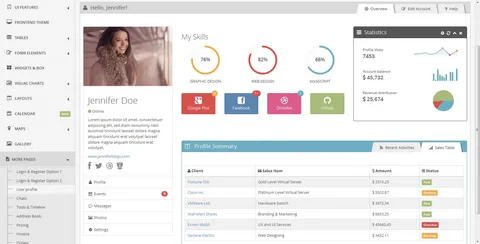
With WORKESK as your CRM system and business management software, every client has one living record that includes:
- Contact history & communication (emails, Zoom calls, notes)
- Active and past projects (with timelines, budgets, files)
- Invoicing status (draft, sent, paid, overdue)
- Team assignments and internal handoff logs
No more “Let me check with the project team.” The answer is already there.
🔄 2. Operations Run on Client Triggers—Not Spreadsheets
In traditional setups, operations react. In a CRM-driven business, they anticipate.
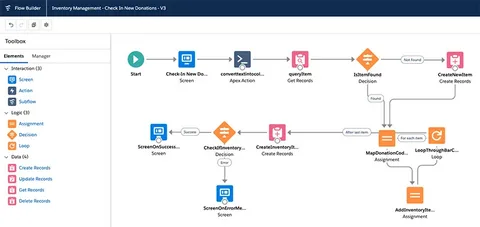
Example workflows built into WORKESK:
→ When deal status = “Closed Won”:
✓ Create project + assign team
✓ Schedule kickoff Zoom (invite auto-sent)
✓ Share client BioLink (e.g., yourbrand.com/client-name)
✓ Notify finance to prepare contract
→ When project = “90% Complete”:
✓ Draft final invoice
✓ Trigger client satisfaction survey
✓ Add renewal task for 60 days out
This isn’t IT magic. It’s workflow automation designed for real business rhythms.
💼 3. Leadership Gets Leading Indicators—Not Lagging Reports
Finance reports tell you what happened. A business management CRM tells you what’s about to happen.
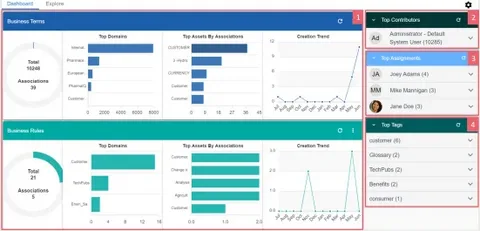
With WORKESK, executives see:
- Pipeline health by rep, service line, or region
- Client effort ratio: hours spent vs. revenue billed (flag over-servicing)
- Renewal risk score: based on usage, support tickets, and last interaction
- Team capacity vs. committed work—to avoid burnout
These aren’t vanity metrics. They’re early signals for course correction.
🧩 4. Scaling Feels Controlled—Not Chaotic
Hiring your 6th, 10th, or 20th employee shouldn’t mean losing your operational rhythm.
A CRM built for business management institutionalizes your best practices:
- New hires learn how you serve clients—not just who they are
- Standardized onboarding checklists (client + internal)
- Role-based views: sales sees pipeline, ops sees deliverables, finance sees cash flow
- Office management software features (leave tracking, asset logs, announcements) keep culture intact
Growth becomes replicable—not exhausting.
A CRM for business management isn’t a departmental tool.
It’s your operating system for client-centric execution—where every action connects, every team stays aligned, and growth compounds without chaos.
And when it’s part of a true all-in-one platform like WORKESK—combining CRM, project management, team collaboration software, e-invoicing, payroll, and office management software—you don’t just manage better.
You lead with clarity.
👉 Ready to see how WORKESK helps businesses run from the client backward?
Start your free trial—no setup fees, no credit card: workesk.com
Have questions about your current stack? We’ll help you map a smarter path: support@workesk.com